Welcome!
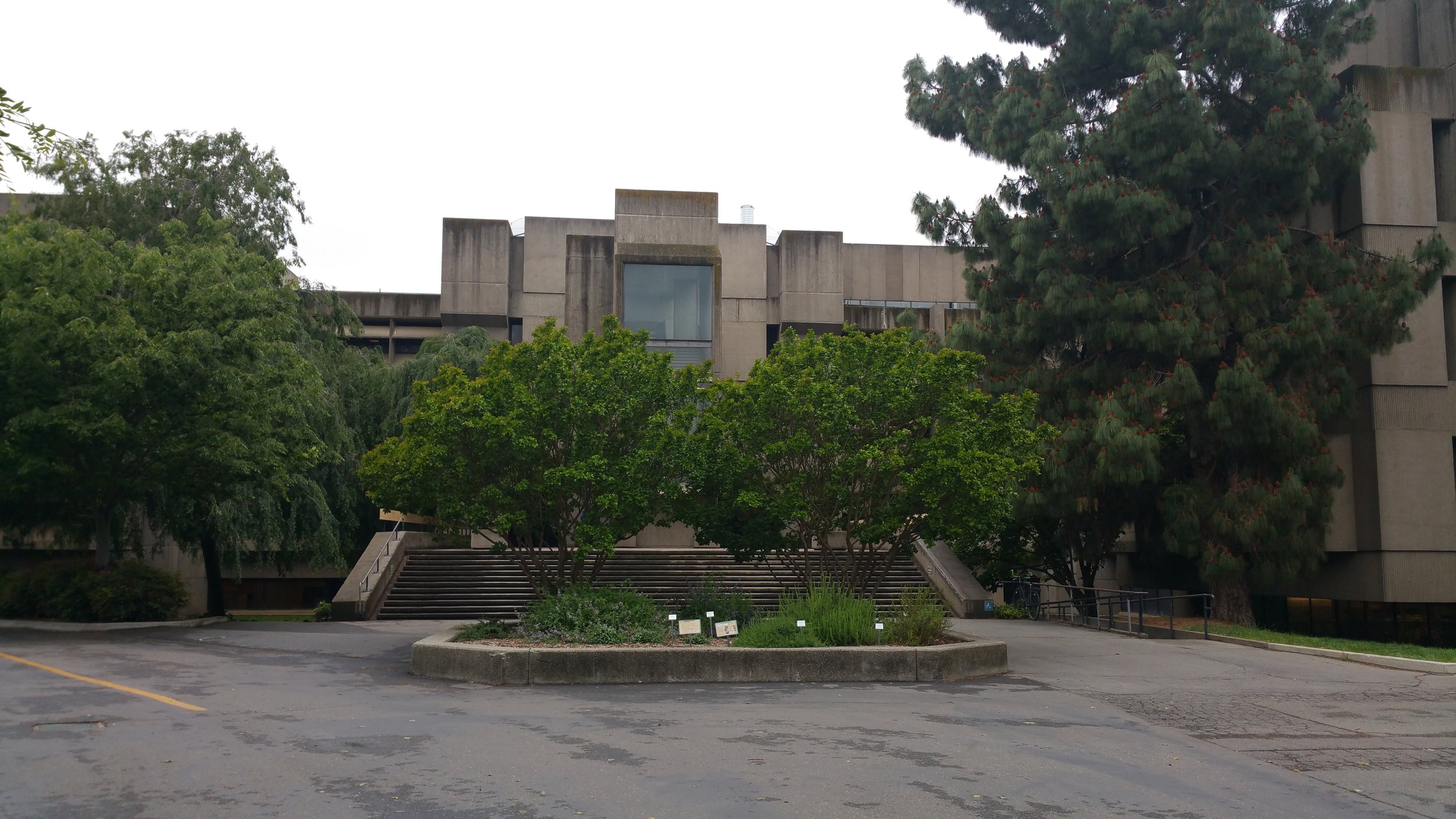
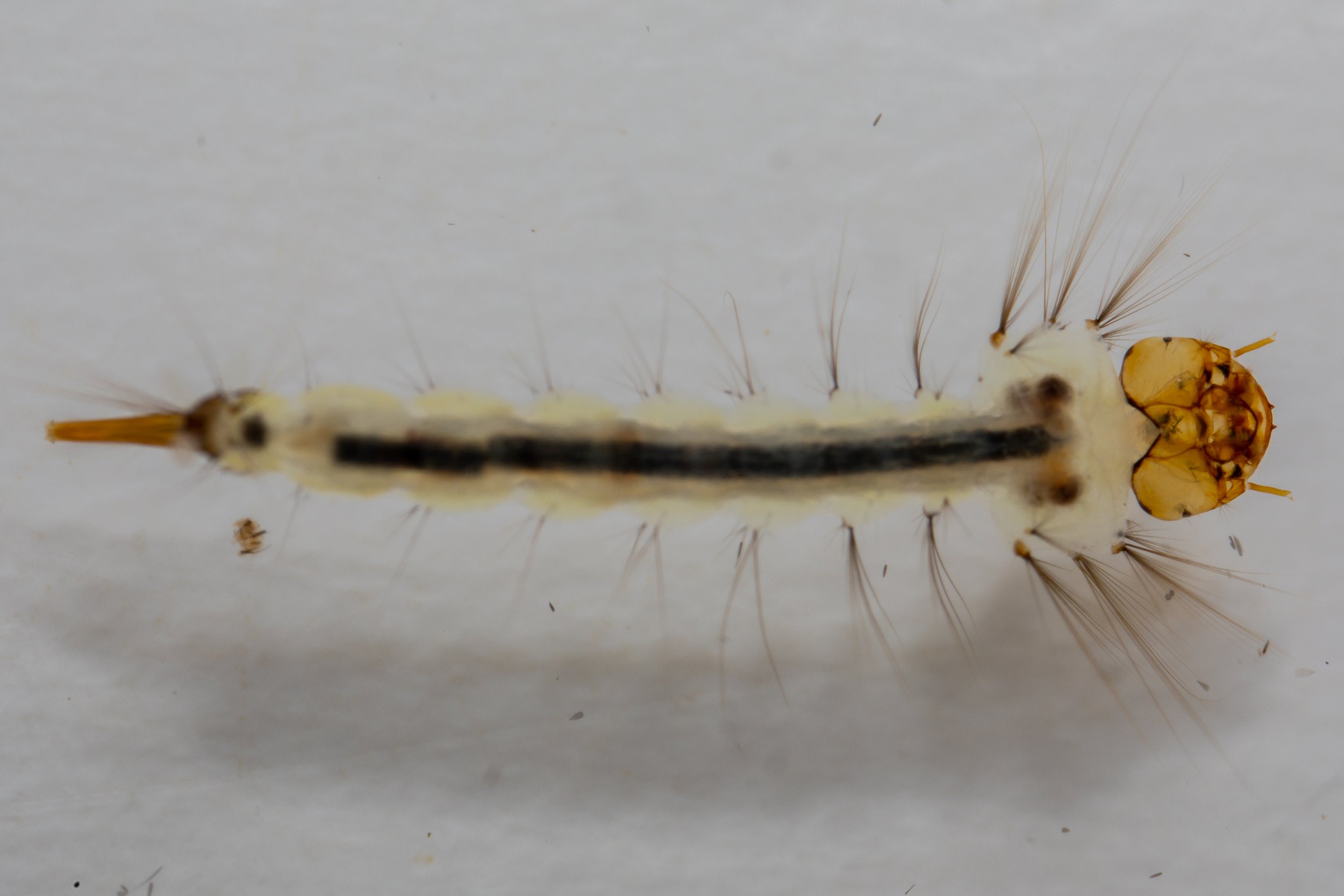
Welcome to the Attardo Lab in the Department of Entomology and Nematology at the University of California, Davis! I am a research scientist with a background in entomology, molecular biology, and genetics. The primary subjects of my work have been mosquitoes and tsetse flies. My research has focused on the biology, physiology, biochemistry, and genetics of insect vectors of human disease. Our recent work has integrated the study of ecological interactions, physiological responses to environmental stress. I've studied how female mosquitoes regulate gene expression during blood feeding as well as the reproductive biology of tsetse flies, unique insects that lactate and give birth to live young! Our goal is to better understand these fascinating organisms so we can develop new ways to prevent disease equitably and sustain a healthy environment.
This site contains information on the people associated with the lab and the projects we are currently working on. Also on the site is a collection of galleries containing representative samples of insect photography, scientific illustrations, artwork, and videos. I have also included a list of my scientific publications, each linked to its associated page in the PubMed database. Feel free to get in touch or come by the lab for a visit. The lab's contact information is available on the Contact link.
Mission Statement:
My vision for the group is to advance understanding of the biology, physiology, and ecology of insect disease vectors through innovative research that employs a diverse array of technologies and techniques that provide novel insights into their biology. By investigating the intricate interactions between these organisms and their environments, we aim to contribute valuable knowledge that will inform the development of effective strategies for disease prevention and transmission control.
Values:
The Attardo lab acts in solidarity with all underrepresented groups in STEM. We recognize the responsibility to identify and correct institutional biases experienced by students, staff, and faculty. We acknowledge the history of disadvantages experienced by underrepresented groups, as well as the history of exploitation of such groups in the pursuit of disease research. The path to equality in STEM requires persistence and commitment to science-based approaches to course-correct effectively. The lab aims to learn from the past and recognise it to maximise inclusiveness for all.
Educational Philosophy
My goal is to share my fascination with insects and science with my students to expose them to hidden parts of the natural world and to learn new ways to study and understand them. I am a proponent of emphasizing the importance of critical thinking, problem-solving, and analytical skills, of doing hands-on work, and of recognizing the power of learning from mistakes. Entering science can be intimidating and overwhelming; however, I think anyone with the interest and motivation to learn can be a good scientist. My goal is that my lab will provide a supportive, productive, and enjoyable place to learn, work, and make discoveries that will someday make a difference in human health.